2026-06-11
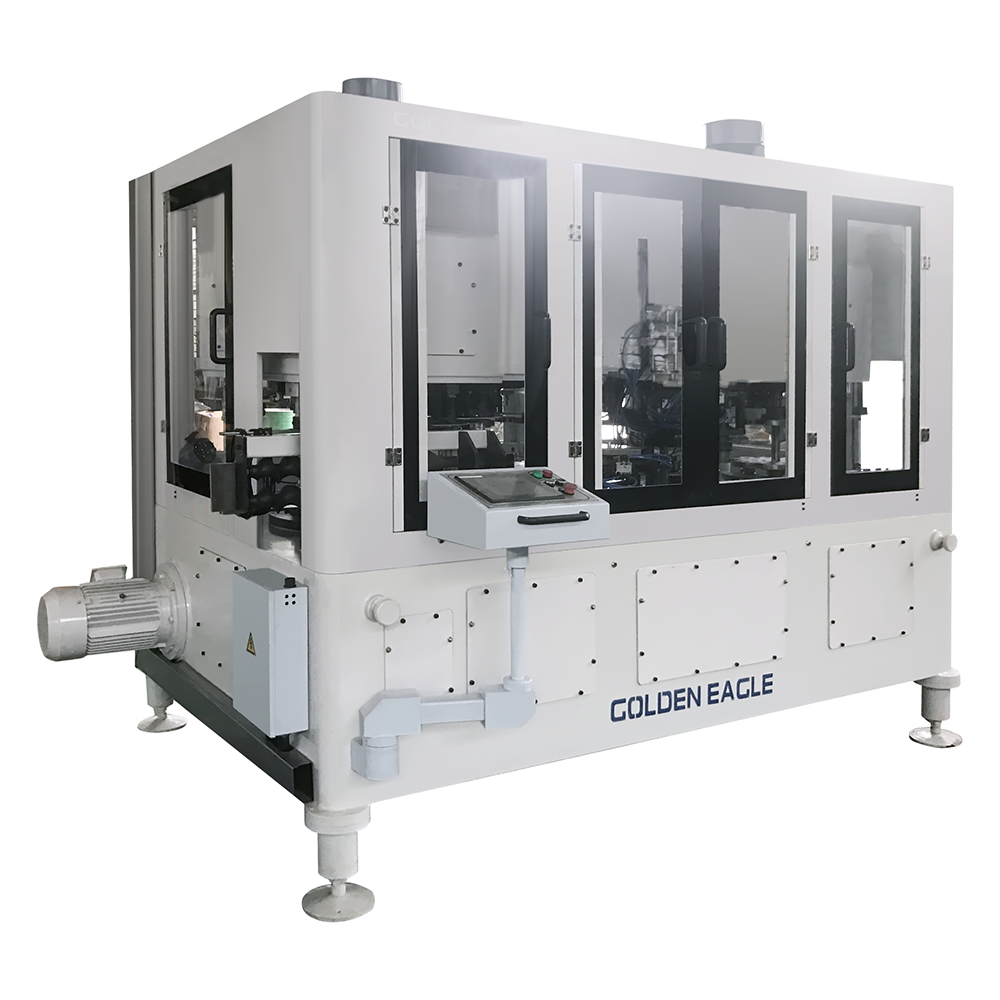
Ad potum et cibum packaging productio, summus celeritas machinas nunc consequi potest output rates excedentes 2,000 cann per minutum (CPM) pro duabus cannulis aluminii potum, una cum linea producta super 3 miliarda cann annuatim . Conclusio directa: eligere potest machinis facere fundatur potest typus (duo-partitus vs. tres partes), eminus diameter (typice 52-73mm pro potum, 52-153mm pro cibo), parietis crassitudo (0.075-0.25mm), et technologiae formans (DWI pro aluminio, commissura laterali pro ferro iuncta) . Potum linea exigere potest torcularia cucurbitula, factores corporis (stationes ironingae), ornatores, lotores, impressores, et stationes colliculationis/flangores, typice 15-20 singulae machinis in serie. Cibus possunt lineas (tres frustum) requirere crepidae, formatores corporis, firmamenta commissurae, et apparatum summum commissurae.
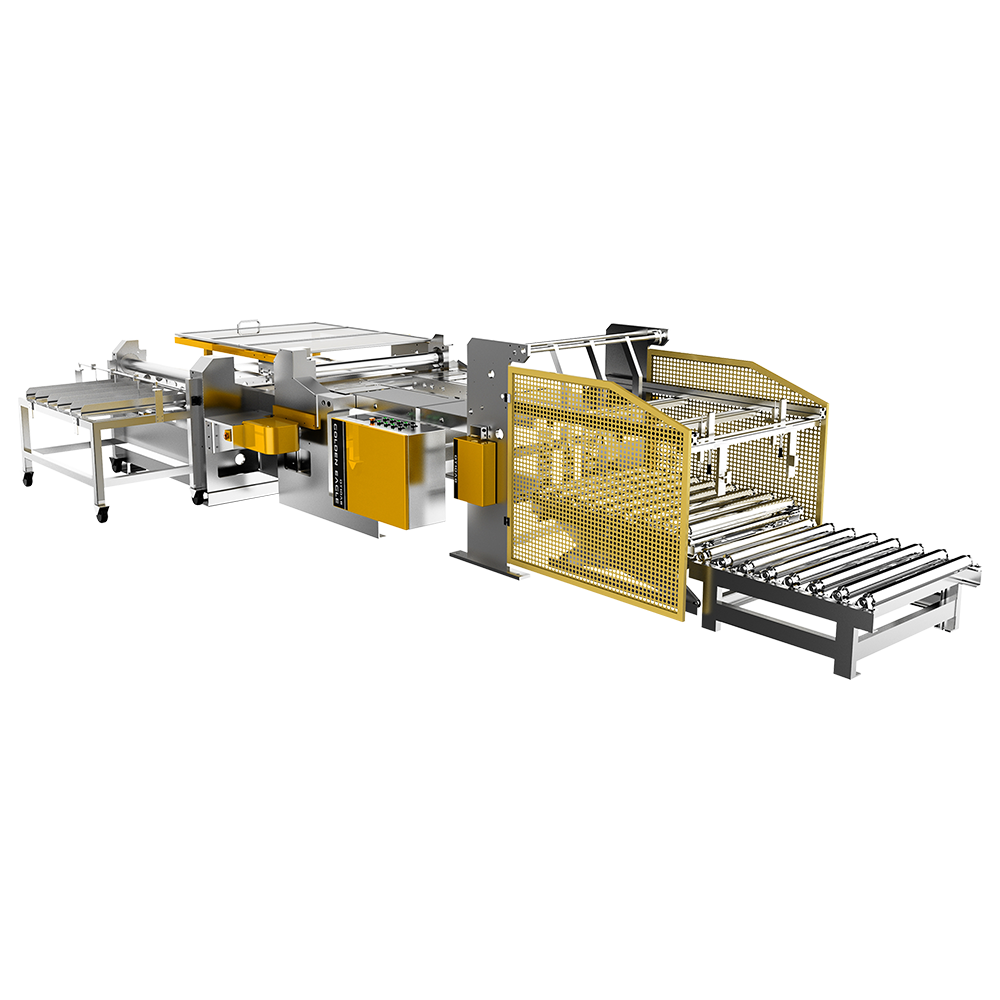
Potest facere machinis pecorum numero collocantur ad formandum can corpus. Cannulae duae (tractae et parieti-ferreae, DWI) sunt inconsutiles aluminii seu cann ferri cum fundo integro; usus ad potiones, aerosols, et aliquid cibi . Processus incipit cum blank circulari (6.0-7.5mm crasso pro aluminio, 3.5-5.0mm pro chalybe) trahitur in calicem vadosum, deinde ferreum per 2-3 perit, ut parietis crassitudinem minuat ad 0.075-0.12mm. Tres partes cansas habent corpus separatum (devolutum ex plano sheet) supra summum et imum; pro cibo, pingere, et industriae. Corpus e vestis rectangula formatur, margines conflati vel solidantur, ac deinde duplices coagmentatae sunt.
Duplex pars machinarum potus mercatus dominari potest (super 90% partem) quia nullam habent partem commissurae (periculo Leak eliminato) et leviorem coniecturam materiae (salvando 15-20% materiali pondere). Tres partes possunt machinas facere ad cibum cansis cum diametris supra 73mm (ubi DWI ironing difficilis fit) et ad parvam massam productio (sub 10,000 cann per hora) . Tres lineae nummariae minus capitale pretium habent ($500,000-$2,000,000 vs. $5,000,000-$200,000,000 pro lineis DWI) et breviores mutationes super tempora (15-30 momentis vs. 2-4 horarum pro magnitudine mutationes possunt). Pro summo volumine applicationes (super 100 decies centena millia propius annuatim) duo-pecia DWI sola electio oeconomica est.
| Parameter | Duo-Pice (DWI) | Three-Pice (iuncta) |
|---|---|---|
| Typical potest diameters-- | 52-73mm (potus), 52-99mm (cibi)-- | 52-153mm-- |
| Productio celeritas (CPM)- | 500-2,500-- | 100-800-- |
| Materia gauge (mm)- | Aluminium 0.075-0.12, Chalybe 0.10-0.15-- | Ferro 0.18-0.30-- |
| Parte summa method-- | Nemo (seamless) - | Electrica resistentia welding (ERW)- |
| Capital sumptus (million USD)- | 5-20 (linea plena) -- | 0.5-2.5 (linea plena)-- |
| Changeover tempus (magnitudo mutatio) | 2-4 hours-- | 15-30 minutes-- |
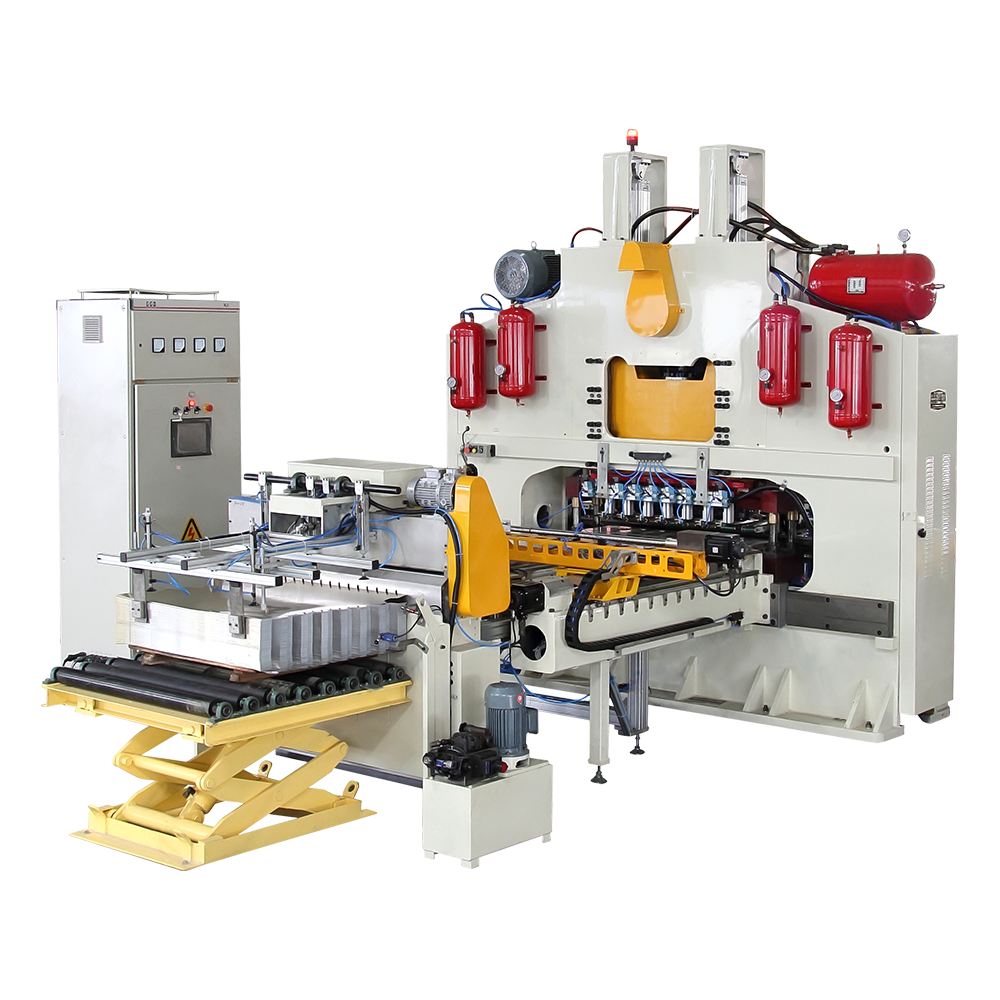
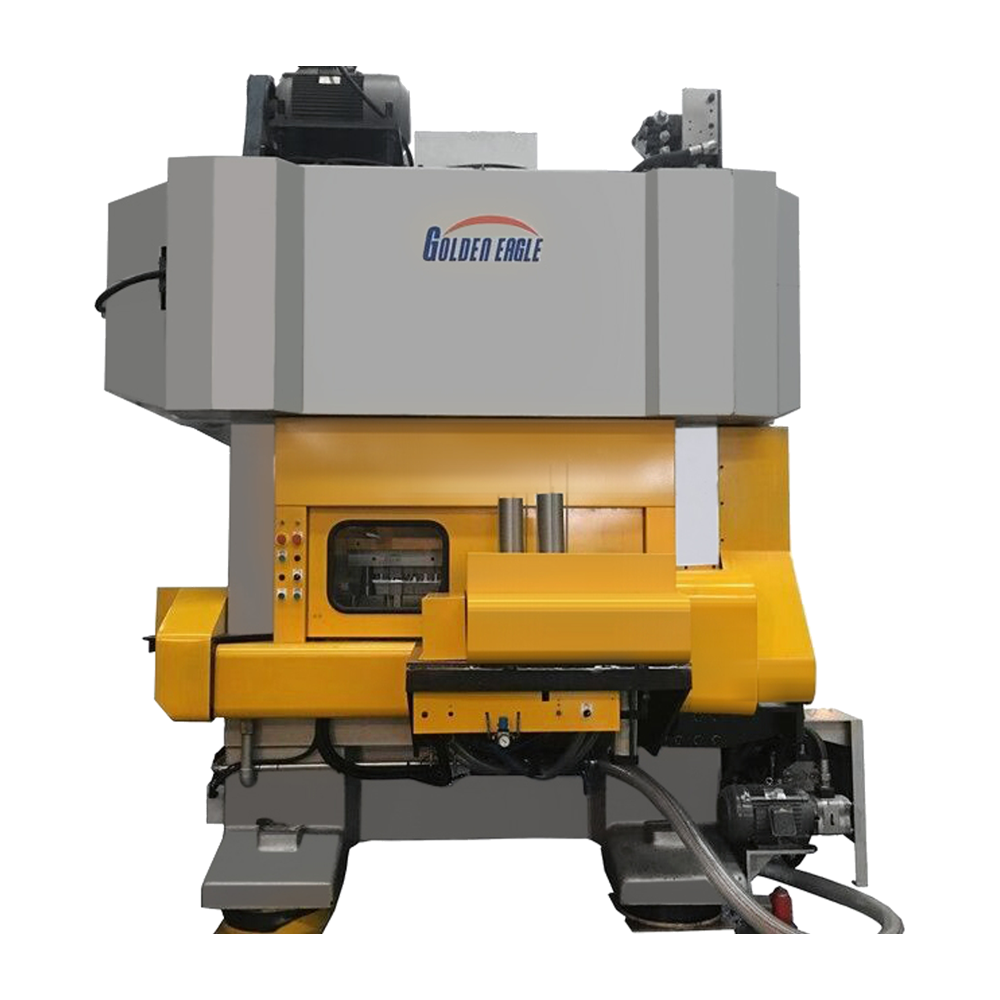
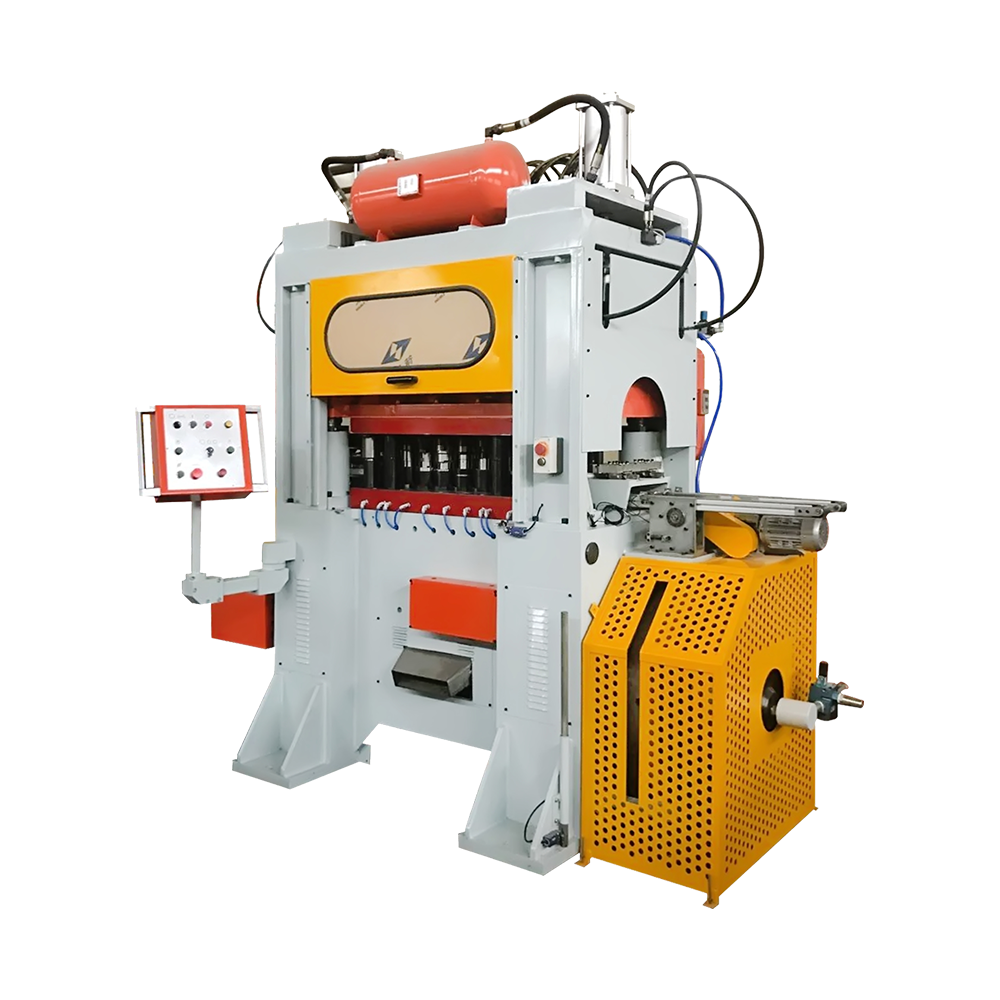
Torcular cucurbitula est prima machina critica in duas partes lineas, convertens aluminium vel coilum chalybis in calices vadosos. Summus velocitas cucurbitulae prelum operatur ad 150-250 ictibus per minutum, producens scyphos 1,200-2,000 per minutos ex uno gyro. . Torcular duplici actione mori utitur: fibulas blank possessor (exterior ram) schedam fibulat dum ferrum (ramis interioris) metallum in figuram scyphum trahit. Typicae rationes trahunt (diametrum ad calicem blank diametri) sunt 1.5:1 ad 1.8:1 pro aluminio et 1.6:1 ad 1.9:1 pro ferro. Cucurbitulae modernae pressae includunt instrumentum vivos-mutationis systemata, quae inter diametri 30-45 minutas possunt permutare (descendens e 4-6 horis cum senioribus consiliis obseratis).
Lubricatio critica est: cyathum unumquodque opus ducatus P.*0.2-0.5, ne pungentibus scoriis; totalis ducatus consummatio super 2,000 CPM linea 24-60 kg per hora est . Ad rationes environmental et sumptus, systemata recuperatio ducatus ansa clausa 85-95% ducatus repetendi, consumptio ad 4-10 kg per hora reducens. Calix qualitas sistit: mensura calicis altitudo (patientia ±0.15mm), auricularum ceptum (ora summa inaequalis ab anisotropia materiali causata, aures gratae usque ad 1.5mm), et superficiem exasperat (supra 0,05mm profunditatem respuit). Typical cucurbitulae torcularis 0.5-1.0% faece (mis-ductae calices, spirae fines, defectus).
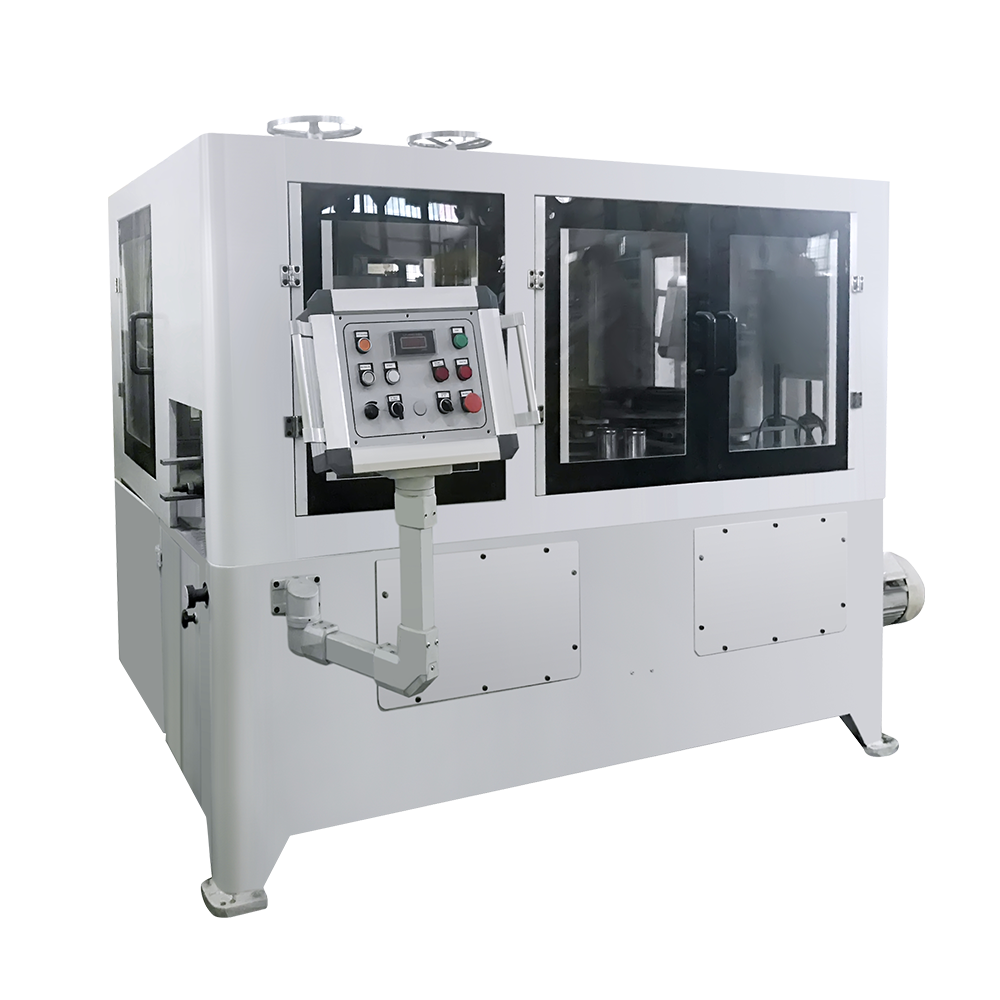
Corpus factoris (etiam ferrarius vel torcular redraw nuncupatum) poculum impellit per seriem anulorum carbidam ferramentorum quae parietis crassitudinem extenuant altitudine minuunt. Potum typicum potest corpus factoris stationes ironingas 2-3 habere, crassitudinem parietis reducens ab 0.25-0.30mm (post cucurbitulam) ad 0.075-0.10mm (can murum conpletum) . Ferrum pergit ad 2.0-3.5 metra per secundam, producens potest singula 0.05-0.10 secunda in 600-1,200 CPM. Copiae ironiae substantiales sunt: ad 0.5mm calix densus, statio ferrea prima applicat 8-12 talenta virium; secunda 5-8 talenta; tertia, 3-5 talenta. Totalis potentia consummatio corporis factoris est 50-100 kW.
Ironing anulus materia et tunica instrumentum vitae directe afficiunt; Tungsten carbide annuli cum titanio aluminii nitride (TiAlN) coatings 5—10 miliones cann ultimo inter regrins; uncoated carbide annulos tandem 2-4 decies cann . Ferrum corpus celeritatis et lubricationis factoris inverse se habent: celeritates superiores plus ducatus requirunt (usque ad 0.3 P. per can). Punch-ad-anulum alvi (spatium inter ferrum et annulum ironingum) parietis finalem crassitudinem determinat: alvi 0.075-0.09mm producit crassitudinem muri 0.075-0.09mm. Crassitudo muri monitoris cum gaugia ultrasonica online (accuratio ±0.002mm); si parietis crassitudo plusquam ±0.010mm e scopum variat.
Post ironing, cham asperam, inaequalem summo margine ad ultimam altitudinem adumbratam habet. Putator machina utitur cultellos rotantes secare potest ut intra ± 0.1mm clypei altitudinis (typice 115-168mm ad potum cann, 80-200mm ad cann fel) . Tonsura celeritas factori corporis congruit: 600-2,500 CPM. Trim exiguo (anulum abscise) 2-5% of pondus can significat et directe REDIVIVUS ad aluminium vel elit ferro. Trimmers gladium geometriae: 10-15 gradus moechus angulus, 5—7 gradus alvi angulus. cultri durant 50,000-200,000 cann antequam resacant; cultri ferrei indurati (HRC 58-62) durant longiores quam cultri carbide ad hanc applicationem (carbide fragilior est).
Post pampinationem, cann typice inversi sunt et aere compresso inflantur ad astulas abstrahendas (fragmenta metallica microscopica). Astulae residua absumpto intus cannunt vitia efficiens et, in cann potum, a consumers ingeri potest (contagionis metalli fragmentum) . Alta celeritas metalli detectores (venae ruboris vel X-radii) singulas canes inspicere potest ad 2,000 CPM; sensitivum positum est ad deprehendere 0.3mm particulas ferreas et 0.5mm particulas non ferreas. Deprehensio rates excedunt 99,5%; linea producta 2,000 CPM generat tantum 10-15 falsa per horam respuit. Cann reicientes automatice eiciuntur et REDIVIVUS.
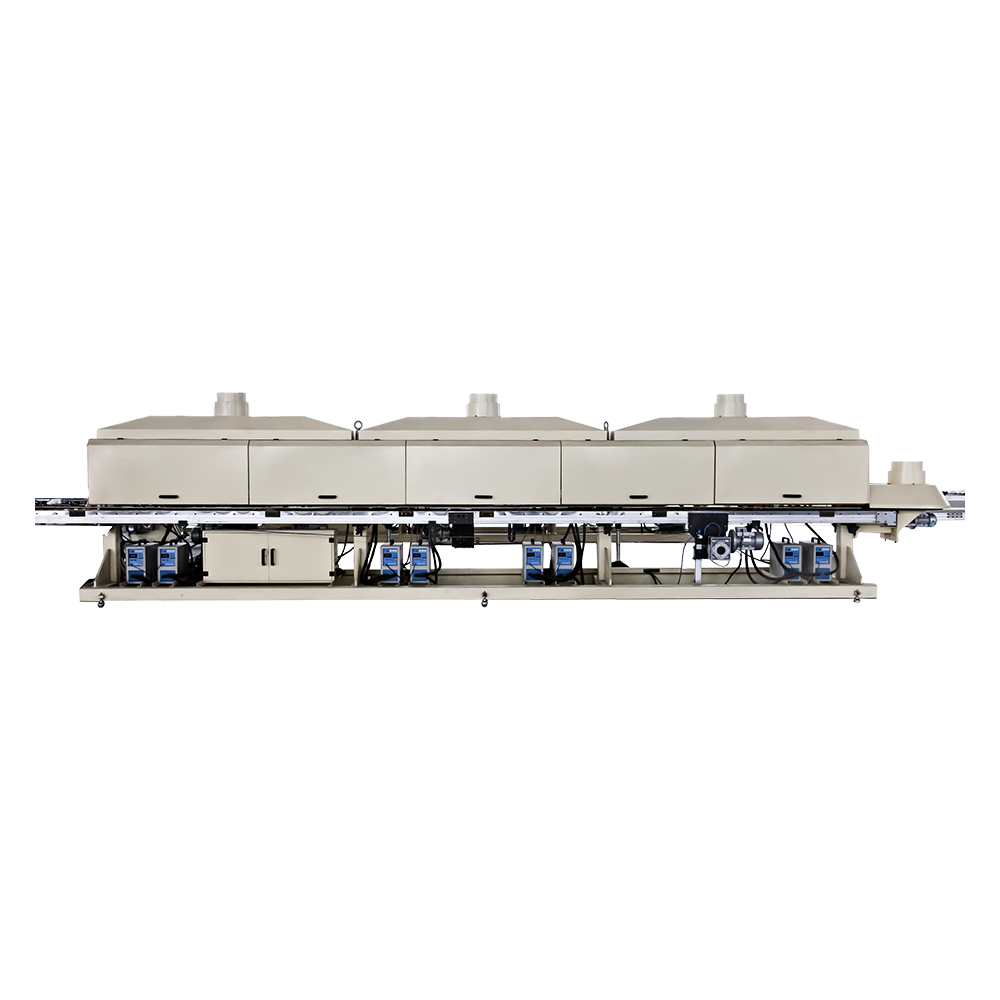
Antequam excudendi et efficiendi, lavari debent cann ad unguenta et oxydatum superficiei removendum. Fullonibus imbre cuniculi est multi- stadii, typice 15-30 metra longi cum gradibus 5-8: prae-rinse (aqua calida), lava alcalina (50-65°C, pH 9-11), eluo 1, eluo 2, acidificatum eluo (pH 4-5 ad corrumpendum), et aqua deionizata stupam finalem. . Potest throughput esse 1,000-2,000 CPM; habi- tatio in singulis stadiis 5-15 secundis. Concentrationes chemicae continenter monitores cum metris conductivis et pH rimantur; replenishment soleatus automatice setpoints ponere. Fullonibus consumit 10-20 liters aquae per minutias, quarum 90-95% REDIVIVUS est. Aqua recentis rutrum 0.5-2.0 L/min est.
Post lavationem, curatio superficiei (conversio coating) recipere potest ad adhaesionem pingendam et resistentiam corrosionis emendandam. Aluminium cann, titanium vel zirconium fundatum conversionis efficiens (mcrons crassum 0,05-0.2) substituit curationes maiores chrome-phosphas ad causas environmental. . Pondus coating metitur fluorescens (XRF) ad 1-10 mg/m². Negas si pondus coating subest 0.5 mg/m² (adhaesio pauperum) vel supra 15 mg/m² (excessus chemicus consummatio). Cans enim ferrea, stratum tenue stannum (tinplatum electrolyticum, 2.8-11.2 g/m²) in coil ineunte adest, et fullones principaliter removet lubricantes sine diminutione superficiei stagni.
Potus et cibi cansis excudendi et tutelae interiores exteriores postulare. Exterior typis utitur summus celeritas arida offset pressa (10-12 statio print) applicantium 6-8 colorum 600-2,000 CPM . Quaelibet impressio stationis silicone stragulo utitur ut atramentum ex lamina signata ad cann transferat. Ink siccatio fit in clibano 60-90 metro ad 180-220°C pro 3-5 minutis. Interior ciborum cansor recipit imbre vestitum (epoxy, acrylicum, vel polyester) applicatum multiplici imbre nozzes sicut cann roto; crassitudo pelliculae 5-15 microns est. Potus enim, similis tunicae interioris (2-5 microns) impedit aluminium contactum cum potionibus acidicis (cola, sucus).
Print adnotatione critica est: multicolor vestigia require adnotatione accuratione intra ± 0.2mm (0.008 inches) inter colorum . Misregistratio ultra hanc latitudinem turbationem et sanguinem colorem creat, rejectionem dolor facit. Color constantiae a spectrophotometris monitorio est (CIELAB E minus quam 1.0 ad notam colorum). Ad salutem cibi interiores tunicae BPA liberae debent esse (vel normae regionales obsecundantes) et curari minus quam 5% solvendo residua (per chromatographia gasi metiri). Pinhola detector (conductivity electrica) integritatem coatingis interiorem ad 2,000 CPM probat; quilibet potest cum pinholo (defectus coating >0.1mm) reicitur.
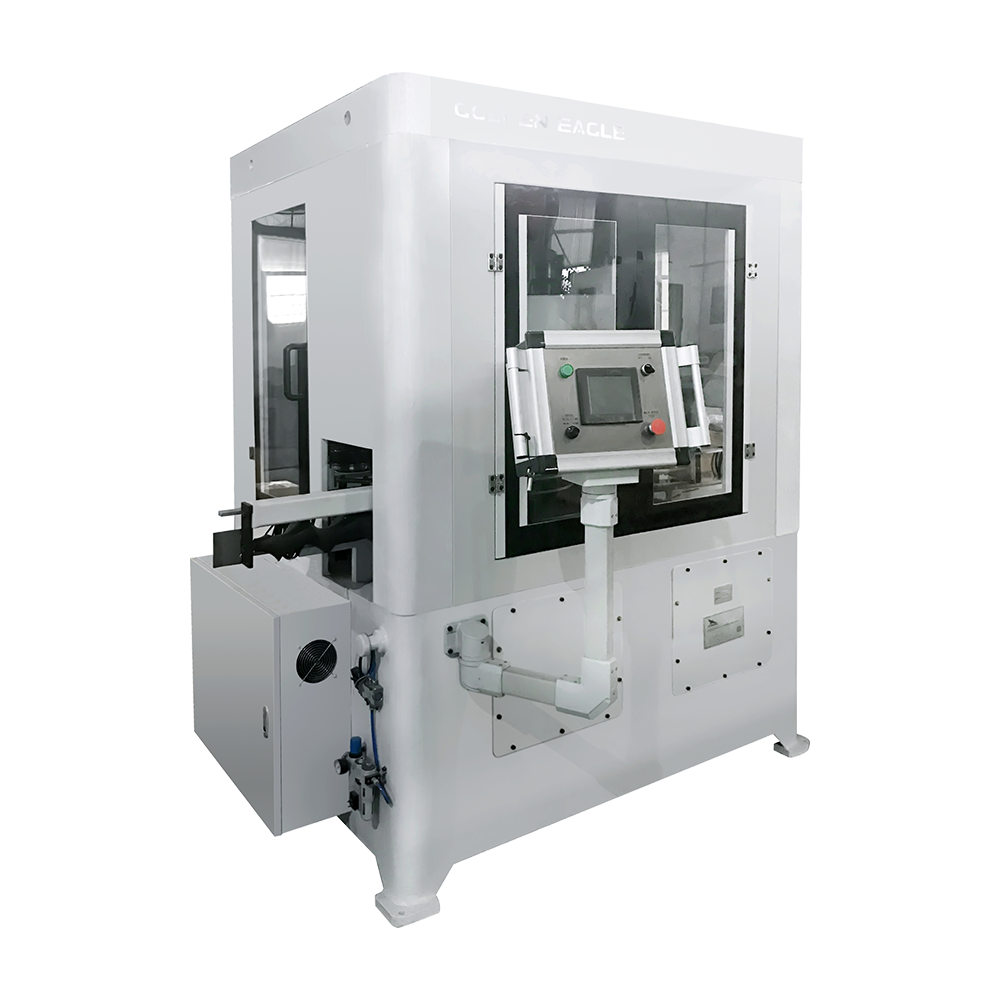
Potus potest colla (re- dia cacumina) formari per seriem collium peritorum qui gradatim reducere possunt diametrum aperiendi. Vexillum 66mm diametri ad 57-58mm cervices sunt (ad fines vexillum) vel 53-54mm (pro cann nitidis) utens 7-14 statio collicularium . Quaelibet statione colli diametrum reducit per 0.5-1.5mm; nimis infestantibus reductionem facit ruga aut discinctus. Post collationem, formatur ad accipiendum finem LABIUM (rovolutum). Flanging perit creare 1.5-2.5mm latum LABIUM cum angulo 70-80 graduum. Necking/flangores velocitates 600-2,000 sunt CPM, idem cum factore corpore.
Instrumentum lubricationis ad collationem veli tenuis cerae vel ester syntheticus (0.005-0.02 P. per can). Insufficiens lubricatio causat acerba (aluminium translatio ad tooling), inde in impingendo cervices quae desinunt commissurae . Magnitudines colli verificantur cum micrometris laseris (accuratio ±0.02mm) ad 2,000 CPM. Diameter placens variatio est ±0.05mm; rejice cans extra-spec- cer, quia proprie signare nolunt. Canns enim cibus (diametris plenus, sine collisione) operationi languae similis est, sed in apparatus separato qui dicitur flagrum; tolerantia latitudinis LABIUM ± 0.1mm.
Omnis machina linea facere potest statio inspectionis multiplex. Leak probatio: 100% potus cansis sunt pressionis probatae (3-5 bar pressurae aeris) usus pressionis corruptionis vel modi fluens massa; rates infra 10⁻⁴mbar·L/s (0.1 cm³/min at 1 talea) acceptabiles sunt . Cans qui deficient Leak test eiciuntur. Cibus cansis, 1-5% perniciose (seclusis et inspectis) cum residuis probatis (helium effluo detecto vel labe vacuo) probatum est. Muri crassitudo cum sensoriis torticis currenti viverra; reiciendo cann cum crassitudine parietis infra 0.065mm (infirmum) vel supra 0.11mm (materia nimia).
Secundae species includit checks: capita altitudo (pro cann cum globulis roborantibus), fibula fortitudinis (resistentiae axialis onus, minimum 350-500 N ad cann potum), et integritas commissura (pro tribus cann-cis) . Ad tres cannulas redactae, commissurae firmae probatur cum inspectione currente ultrasonica vel eiecta %; respuit si penetratio firma est infra 60% materiae crassitudinis vel supra 120%. Finis summa (duplex summa) verificatur denudando (depeculationem apertam) 2-4 cann per horas ab unaquaque turri nautica; machinae marinae commensurationem requirunt si commissura LINO infra 1.0mm est vel si corpus hamum longitudo infra 1.2mm est.
Cans perfecti deferuntur ad systemata palletizing et packaging. Summus celeritate linea (2,000 CPM) producit 120,000 cann per hora, exigens cursare omne 5-10 minutes . Automated palletizers ACERVUS cans in ordinibus et stratis cum schedae polyethylenae inter stratis damnum praecavendi. Vexillum grabatum tenet 5,000-10,000 propius (prout magnitudine potest); a 2,000 CPM linea grabatum singula 2-5 minuta implet. Potest enim facere plantas integras cum lineis implentibus (exampla, potum utrelis plantis), cans directo ad plenrum devehuntur ad 1,000-2,000 CPM per caput monoraillas vel aerem transvehentium.
Nam repositae et naves possunt, grabatis involutis (20-40 micron polyethylene pellicularum) cum protectoribus angulis. Pollet stabilitas probatur in tabula vibratione (ASTM D4169) ad 2-5 Hz pro 30-60 minutis; gratum cursare ostendere non shifting aut ruina . Cans typice conditae sunt ad 20-30°C, 40-60% humiditatem relativam ad ne condensationem intus cann (quae rubigo facit in cann ferro et corrosio in aluminio ante sanationes interiores efficiens). Vita fasciae ad cann vacuam ante impletionem est 3-12 menses secundum condiciones repositas; post 12 menses, integumenta embrari et inconsuta integritas degradare potest.
Machinae faciendae possunt sustentationem regularem requirere ad celeritatum productionem et qualitatem sustinendam. Vita critica instrumentum vitae (cans inter supplementum numerum): torcular cucurbitulae moritur 10-30 miliones, annuli ferrei 5-10 decies centena, cultri putator 50,000-200,000, collatio 15-30 miliones moritur, uerbera 20-40 decies moritur. . Praecaventur sustentatio cedulas: omnes gestus praelinm et cotidie ducit; annulos ironing hebdomadarios inspicere (mensuras togam cum gauges gestantibus); repone annulos ironingos, cum diameter incrementi 0.03mm excedit. Ad 2,000 CPM linea currens 24/7 (1,000 millions cans per annum), annuli ironinge singulis 5-10 diebus substituendis indigent (8-15 vicibus per annum).
Communes naufragii causas: lubricationis defectus (40% of inconditorum clausuris), instrumentum vestium (25%), electrica/reditionis quaestiones (15%), ac defectuum materialium (10%). . Medium tempus inter defectiones (MTBF) pro moderno machinamento conficiendo est 500-1,500 horarum operativarum; medium tempus reparandi (MTTR) est 2-6 horarum. Ad tempus extenuandum, inventarium conservandum partium criticarum parce: annuli ironingi (1—2 copiae integrae), cultri cultri (10-20 sets), gestus, sigilla, sensoriis electronicis. Summa annua parce partium sumptus pro celeritate summa linea est $200,000-$500,000 (2-5% apparatus capitis sumptus).
Complete potest facere lineam significantem industriam consumit; summa potestas 500-1,500 kW ad 2,000 CPM linea, producens 20-60 kWh per 1,000 cann (20-60 watt-hours per can) . Maior energia utentes: factor corporis (50-100 kW), torcular cucurbitulae (30-60 kW), clibanus ad exstinguendas tunicas et vestigia (200-400 kW), fullones (50-100 kW), systematis aeris compressi (100-200 kW), et vectores (20-40 kW). Calidum systemata recuperatio vastum calorem capiunt ex furnis et compressoribus ad preheat aquam lavandam vel calorem aedificandum, reducendo energiam consummationem per 15-25%.
Sustentabilitas metrica: aluminium generare possunt 1.5-2.5 kg faecis per 1,000 cann (0.2-0.3% faece rate), quae omnia REDIVIVUS . Ferro potest lineas habere similes exiguo rates. Aquarum consumptio 0.5-2.0 litere per 1,000 cann (systematum clauso-loop) vel 10-20 litrarum per 1,000 cann (semel-per systemata). Omnes machinas facere possunt nunc aquae fundatae lubricantes et tunicas (pro solvendo-substructio) ad redigendum emissiones organicas volatiles (VOC) emissiones. Hodierna linea facere potest <0.1 kg VOC per 1,000 cans, ab 1-2 kg VOC per 1,000 cann in 1990 technologiae.
Provectae machinas facere possunt sensores et analyticos ad praedictum conservationem incorporare. Vibratio sensoriis (accelerometris) in pugnis ironings deprehendere gestans gerunt 2-4 septimanas ante defectum; temperatus sensoriis in ironing annulos deprehendere insufficiens lubricatio in secundis . Wireless vibratio vigilantia constat $500-1,000 per sensorem plus annui subscriptionis interretialis. In campis iudiciis, predictive sustentationem minui temporis molis per 40-60% et instrumentorum instrumentorum per 15-25% reduci.
Apparatus discendi algorithms analyseos notitias productionis ad occasus optimize: sponte aptat fluxum ducatus, annulum alvi ironing, et colliculum mortis conservandae qualitatem cum celeritate maxima . Linea typica generat 100-500 GB data sensoris per diem; nubes-based analytica praebent real-time dashboards et summis montibus. Redi in obsidione pro Industry 4.0 upgrades proprie est 6-18 menses per reducta downtime et exiguo. Novae enim possunt machinae mercationes facere, architectonicam communicationis apertam specificare protocolla (OPC UA, MQTT) ad colligendas notitias et analyticas futuras efficiendas.
Related Products
Condita in MCMLXXVIII, in turma est unus de maxima can-facere machinery bene notum societates domi et foris.
Product Categories
Contactus notitia
Zhongsatou Shenjiamen Zhoushan Zhejiang Sinis
+ 86-580.3056646